
Trenchless Sewer Line Replacement in Port Charlotte
Limit Property Disruption during Sewer Line Replacement
If you’re dealing with recurring backups, bad sewer odors, or soggy spots in your yard, you may be facing a main-line problem that won’t go away on its own. Trenchless sewer line replacement can address certain damaged lines without digging one continuous open trench through the property.
Multiple affected fixtures, gurgling drains, sewage odors, and unusually green or wet areas above the line can point to a larger problem. An evaluation helps distinguish a blockage that may respond to cleaning from cracks, separated joints, root intrusion, or a collapse that may require spot repair or replacement.
Trenchless work generally uses limited access points, but it isn’t a zero-dig service. The pipe’s condition, route, depth, alignment, and surrounding property determine how much excavation is required and whether a trenchless approach is practical.
To talk with our team about trenchless options for your property, contact us at (941) 698-1286.
Why Port Charlotte Properties May Benefit from Limited Excavation
Traditional sewer replacement often requires a long trench between the building and the connection point. Trenchless sewer replacement uses limited entry and exit areas where site conditions allow, leaving more of the surrounding surface undisturbed.
This approach is worth evaluating when a sewer line passes beneath a driveway, patio, walkway, pool area, mature landscaping, or another feature that would be difficult to restore. On commercial properties, reducing the work footprint may also limit interference with parking areas, customer access, and active service zones.
The amount of excavation still depends on the line’s route, the location of the damage, equipment access, nearby utilities, and the selected repair method. A severely collapsed or displaced pipe may not provide the access needed for trenchless equipment, making conventional excavation or a targeted spot repair the more appropriate choice.
We serve residential and commercial properties, so we account for how each building is used when planning access. A homeowner may be focused on protecting a driveway or established landscaping, while a commercial property manager may need a clear explanation of work zones and anticipated plumbing limitations.
Our Sewer Line Evaluation & Replacement Process
When you contact us about a possible sewer line problem, we start by listening to your symptoms. Frequent backups, gurgling drains, or sewage surfacing in the yard each tell part of the story. We then inspect your line and evaluate the surrounding property before recommending cleaning, spot repair, trenchless replacement, or conventional excavation.
A camera inspection can help locate cracks, separated joints, root intrusion, obstructions, and other visible defects inside an accessible line. It can also show how much of the pipe appears affected and where the problem sits in relation to driveways, patios, buildings, and other site features.
Our evaluation and planning process includes:
- Reviewing the symptoms: We ask where backups, odors, slow drainage, or wet ground have appeared and whether they affect one fixture or several.
- Evaluating the line: We assess the apparent damage, pipe material, route, access points, and conditions around the work area.
- Comparing repair options: We explain why cleaning, spot repair, trenchless sewer line replacement, or open excavation fits the inspection findings.
- Planning site access: We identify anticipated excavation areas, discuss expected timing, and explain how the work may affect plumbing use.
- Testing the completed work: We perform appropriate testing, clean the work area, and review the completed work with you.
Before work begins, we explain the recommended approach in clear, everyday language. We also discuss protection measures, restoration responsibilities, and field conditions that could change the planned scope.
Pipe Condition Determines Trenchless Candidacy
Not every sewer problem automatically calls for a new line, and not every property is an ideal candidate for low-dig methods. The decision depends on what’s wrong with the pipe and whether the damaged section can accommodate the equipment required for the proposed work.
Pipe material is one part of that evaluation. Clay sewer pipe can develop separated joints and allow root intrusion, while cast-iron sewer pipe can experience corrosion-related deterioration. PVC sewer pipe may have different concerns, including damaged fittings, poor alignment, or movement at a connection. Inspection findings, rather than material alone, determine the next step.
Alignment and access matter as much as age. A line that has collapsed, shifted significantly, or become too obstructed for equipment may require conventional excavation. Difficult turns, limited cleanout access, nearby utilities, and the relationship between the defect and property improvements can also affect candidacy.
Pipe relining generally refers to installing a new structural lining within an existing pipe, while pipe bursting replaces a line by breaking apart the old pipe as a new one is pulled into its path. These are different trenchless concepts with different access and pipe-condition requirements. We explain the proposed method after evaluating the existing line rather than assuming one technique fits every property.
Choosing between Cleaning, Spot Repair & Replacement
A recurring backup doesn’t always mean the entire sewer line has failed. A localized blockage may respond to cleaning, while an isolated defect may be suitable for spot repair. Widespread deterioration, repeated joint failures, or extensive structural damage can make replacement a more practical option to consider.
Whole-property symptoms deserve particular attention. If several fixtures back up together, drains remain slow after cleaning, or wastewater appears outdoors, the problem may be in the main line rather than an individual branch. The location and extent of the defect help determine whether work should focus on one section or the broader line.
The relevant decision isn’t simply trenchless work versus digging. It’s which method matches the pipe’s condition, route, available access, and the property features that would need restoration. We walk through those factors so you can understand why a particular approach is being recommended.
Trenchless Sewer Replacement Cost Factors
We know cost is a major concern when you’re facing a possible line replacement. Pricing varies because the scope depends on the sewer line and the property around it. Our goal is to provide a clear estimate and explain the conditions that could change that number before work begins.
What Affects Your Estimate
When we prepare an estimate, we consider the line’s length and depth, the number of access points required, the condition of the existing pipe, and obstacles such as trees, concrete, or utilities. We also assess equipment access and the restoration expected after excavation.
The estimate should distinguish known work from conditions that can’t be confirmed until the line and surrounding site are inspected. If field conditions require an adjustment, we discuss the change before proceeding. Our transparent estimates have no hidden charges.
The property’s system type also needs to be confirmed. Some sewer line problems involve a public sewer connection, while others are associated with an approved private sewage disposal system. Any permitting or approval requirements depend on the property’s jurisdiction and the work being performed.
How to Prepare for an Evaluation
To help us understand the property, you can:
- Note where backups, odors, slow fixtures, or wet areas have appeared.
- Identify the sewer cleanout if you know where it is located.
- Clear movable items from likely access areas.
- Gather previous camera reports, repair records, or plumbing invoices.
- Tell us about recent cleaning attempts or recurring problems.
Preparation isn’t required for us to evaluate the system, but those details can provide useful context. We’ll explain any anticipated water-use limitations as part of the proposed work plan.
Licensed Sewer Service with Clear Recommendations
Mr. Brown's Septic is based in Port Charlotte and serves homeowners and businesses across Charlotte and Sarasota Counties. Our fully licensed and insured professionals provide friendly support and clear explanations throughout the evaluation and replacement process.
We bring more than a decade of septic service experience to every evaluation. We identify whether the property has a public sewer connection or private sewage disposal system, and we also provide septic pump-out service. We focus on documenting the apparent problem, identifying proposed access areas, and distinguishing repair from replacement before work begins.

Trusted
By Local Home & Business Owners
-
No Surprises On Your Invoice
-
Respect for Your Property
-
Reliability You Can Count On
-
Honest Service From Start to Finish
-
Local Knowledge That Matters
-
“Mr Browns service was fabulous! Excellent to work with, polite, and responsive to the urgency.”Jocelyn H.
-
“I highly recommend this company. They came out the same day that we called. Saved us a ton of money for a simple fix that a plumber would have charged a few hundred for!! I will always call them or recommend them when needed!!!”Kyndra M.
-
“Mr Browns service was fabulous! Excellent to work with, polite, and responsive to the urgency.”Jocelyn H.
Schedule a Sewer Line Evaluation in Port Charlotte
When your sewer line is causing problems, you need clear answers and a repair plan based on the pipe’s actual condition. Trenchless sewer replacement may reduce excavation on an eligible property, and our team can explain whether it fits your home or business.
At Mr. Brown's Septic, we bring more than a decade of septic service experience to each evaluation. Our fully licensed and insured professionals provide transparent estimates and friendly communication throughout Charlotte and Sarasota Counties. We respond quickly when sewer issues can’t wait.
You can reach out to our team today to describe the problem and schedule a sewer evaluation.
Call (941) 698-1286 to talk with our team and book your visit.
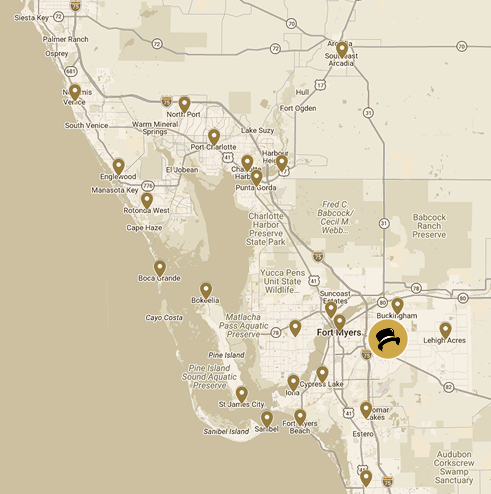
Located in Port Charlotte and proudly serving the Charlotte County & Sarasota County. If you don’t see your community listed, contact us to see if we can still help!
- Bonita Springs
- Cape Coral
- Charlotte County
- Cleveland
- Cypress Lake
- Englewood
- Estero
- Fort Myers
- Harbor Heights
- Iona
- Lehigh Acres
- Nokomis
- North Fort Myers
- North Port
- Port Charlotte
- Punta Gorda
- Rotonda
- San Carlos Park
- Sarasota
- Sarasota County
- Sarasota Springs
- Solana
- Venice
- Villas